
Window tinting cost in San Jose
Compare Carbon and Ceramic estimates for your vehicle, decide which windows to cover, and check California's tint restrictions before booking. These are the same estimates used in Get Instant Quote—not final prices.
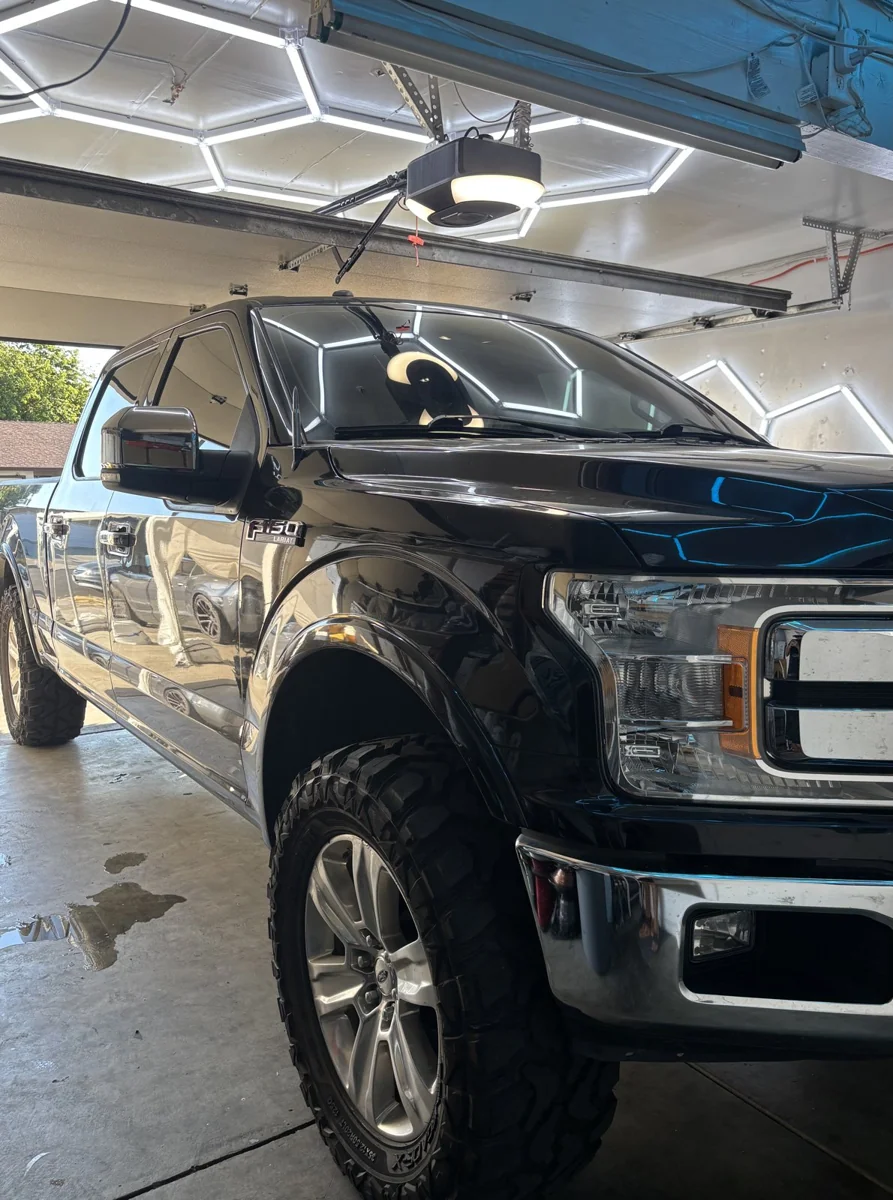
Carbon vs. Ceramic: sides & back prices
Sides & Back covers all side windows and the rear glass. Carbon offers good heat rejection and a sleek finish. Ceramic is the premium option for maximum heat rejection and cabin comfort. Both include a lifetime warranty backed by Geoshield.
| Vehicle | Carbon | Ceramic |
|---|---|---|
| Sedan | $220 | $300 |
| Coupe | $200 | $280 |
| Pickup Truck | $220 | $300 |
| Midsize SUV | $250 | $340 |
| Tesla Model 3 / Y | $250 | $340 |
| Minivan / Full Size SUV | $390 | $480 |
Sedans and pickup trucks share the same sides-and-back estimates. Tesla Model 3 / Y and midsize SUVs also share a price tier. Cybertruck details are confirmed by text.
Windshield and Full Car coverage
Windshield-only estimates are $140 for Carbon and $180 for Ceramic for every listed vehicle type. Full Car combines Sides & Back with the windshield. For example, a sedan's Full Car estimate is $360 for Carbon or $480 for Ceramic.
A quoted windshield option is not a promise of road-legal coverage. California restricts film on the windshield and front side windows; we'll discuss legal film options when you book.
What can affect the final price?
Final pricing is subject to change after we verify your vehicle details by text. Sunroof tint is not included. Existing aftermarket tint removal is quoted separately: choose Tint Removal in the same instant quote form and we'll text you a removal quote, rather than display an instant price.
California window tint laws for San Jose drivers
VLT means visible light transmission—the percentage of visible light that passes through a window. A lower percentage means a darker window. The film's rating alone is not the finished window's rating: the original glass also affects transmission.
- Front side windows
- California's clear-film exception requires clear, colorless, transparent material with at least 88% VLT. The film and glass together must meet federal glazing requirements, including the 70% light-transmission minimum. The material must be designed to block UVA, and the statute requires certification documentation. A dark film is not made legal simply by calling it ceramic.
- Windshield
- Full-windshield aftermarket film is generally prohibited. Section 26708(c) permits qualifying transparent material along the top edge, subject to placement, color and glare conditions. Do not assume a generic “four-inch strip” guarantees compliance; the statute specifies placement relative to the driver's seat.
- Rear side windows and rear glass
- Side windows behind the driver are exempt from this section's prohibition. The rear-window exception requires outside mirrors on both sides that provide the required rearward view. These exceptions allow darker rear tint but do not waive other safety requirements.
Source: California Vehicle Code § 26708, particularly (b)(4), (b)(8), (c) and (d). This is general information, not legal advice. Check the current statute and your vehicle's glass before choosing film.
Get an estimate for your vehicle
Shark City Tint serves San Jose and the South Bay by appointment, Monday through Sunday. We'll text you to verify your vehicle and confirm final pricing. The exact shop address is shared after booking.